Introduction
Taking care of your teeth involves more than visiting the dentist when something hurts. Daily habits, regular dental visits, professional cleanings, and early attention to changes in your mouth can all play a role in maintaining your oral health.
For patients looking for dentists in Rancho Cucamonga, understanding preventive dental care can make it easier to stay consistent with their oral health routine.
Preventive care does not have to be complicated. A few simple habits, combined with regular professional care, can help you stay ahead of common dental problems.
Start With Consistent Daily Oral Hygiene
Your daily routine is one of the most important parts of preventive dental care.
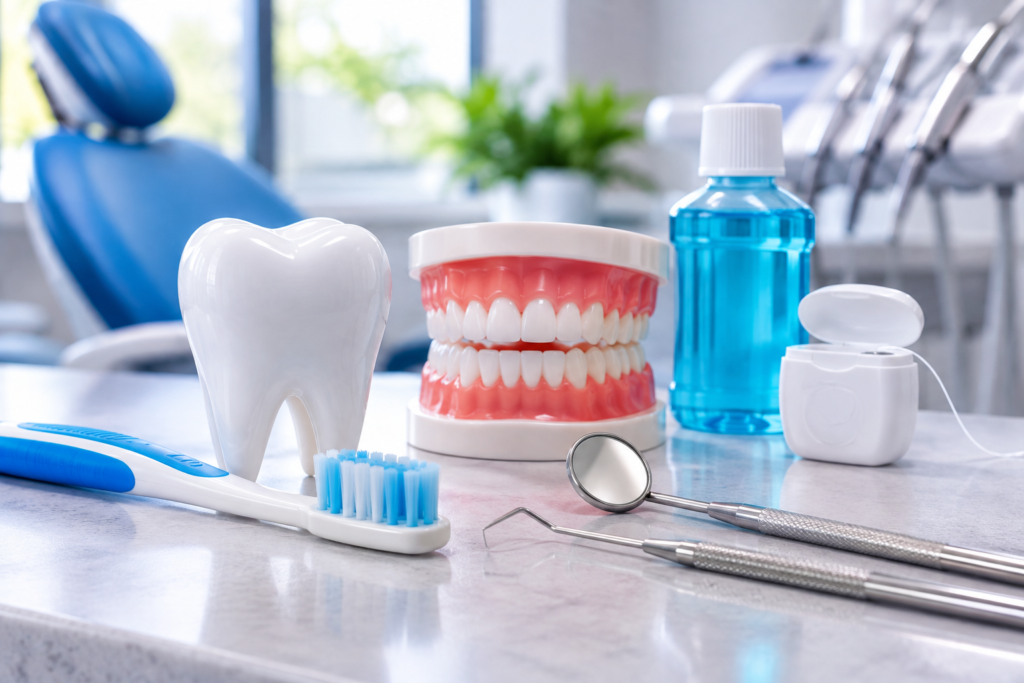
Brushing your teeth twice a day helps remove plaque and food particles from the surfaces of your teeth. Use a soft-bristled toothbrush and fluoride toothpaste, and spend enough time cleaning all areas of your mouth.
Flossing is also important because a toothbrush cannot effectively clean every space between the teeth. Cleaning between your teeth regularly can help remove buildup from areas that are easy to miss.
Your routine should also include cleaning your tongue and replacing your toothbrush or toothbrush head when the bristles become worn.
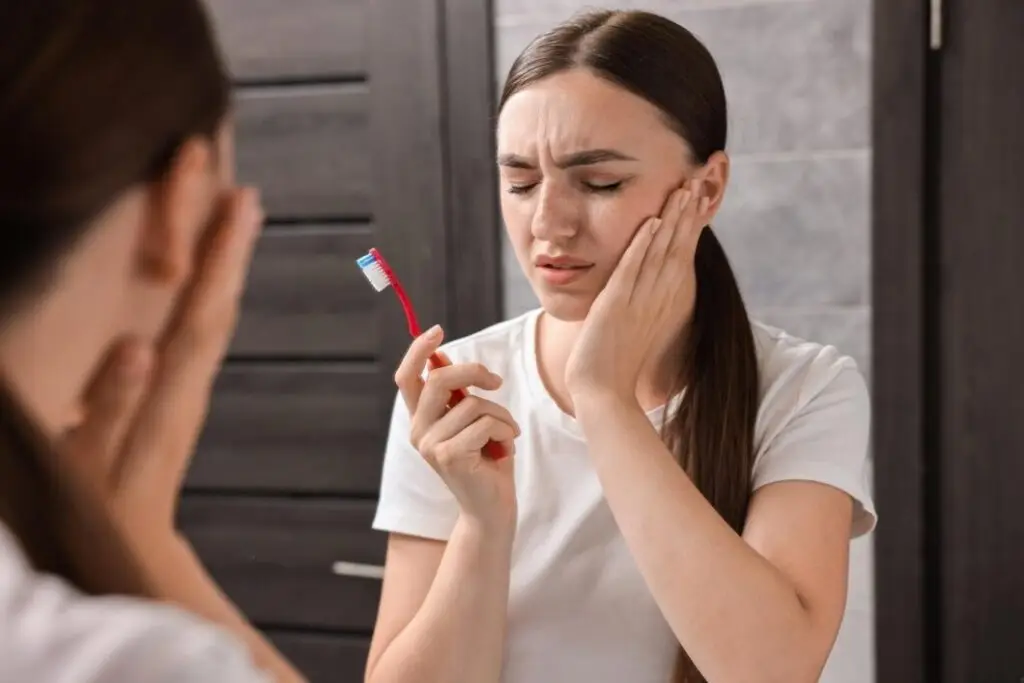
Do Not Wait for Tooth Pain
Many dental problems can develop before they cause noticeable discomfort.
A cavity, gum problem, or other oral health concern may not cause significant symptoms in its early stages. Waiting until pain becomes severe can sometimes mean that the problem has progressed.
Regular visits with a Rancho Cucamonga Dentist give your dental team an opportunity to examine your teeth and gums and identify concerns that may otherwise go unnoticed.
If you notice sensitivity, bleeding gums, swelling, a chipped tooth, or another unusual change, bring it to your dentist’s attention rather than waiting for the problem to worsen.
Schedule Regular Dental Examinations
Routine dental examinations are an important part of preventive care.
During an examination, your dental team can evaluate your teeth, gums, and overall oral health. Depending on your needs, dental X-rays or other imaging may also be recommended.
Regular appointments allow your dentist to monitor changes over time. They also provide an opportunity to discuss concerns you may have noticed since your previous visit.
The ideal appointment schedule can vary from person to person. Your dentist can recommend a visit frequency based on your oral health, dental history, and individual needs.
Keep Up With Professional Cleanings
Even with careful brushing and flossing, plaque can remain in areas that are difficult to clean completely at home.
Professional dental cleanings help remove plaque and tartar buildup that regular brushing cannot eliminate.
A cleaning may also give your dental team a closer look at your gum health and help identify areas where you may need to improve your daily brushing or flossing technique.
Keeping professional cleanings as part of your routine can make preventive dental care easier to maintain.
Pay Attention to Your Gums
Healthy teeth are only part of good oral health. Your gums also deserve attention.
Watch for changes such as:
• Bleeding while brushing or flossing
• Red or swollen gums
• Gum tenderness
• Persistent bad breath
• Gums that appear to be pulling away from the teeth
• Increased tooth sensitivity
Occasional symptoms do not always mean you have serious gum disease, but persistent changes should not be ignored.
Discussing these symptoms with your dental team can help determine whether further evaluation or treatment is needed.
Be Careful With Sugary and Acidic Foods
What you eat and drink can affect your teeth.
Frequent consumption of sugary foods and drinks can contribute to plaque activity and increase the risk of tooth decay. Acidic foods and beverages can also contribute to enamel erosion when consumed frequently.
You do not necessarily have to eliminate every food you enjoy. Instead, consider how often you consume sugary or acidic items and maintain good oral hygiene afterward.
Drinking water throughout the day can also help rinse your mouth and support a healthier oral environment.
Protect Your Teeth From Unnecessary Damage
Some dental problems result from habits or activities that put unnecessary stress on the teeth.
Avoid using your teeth to open packages, cut objects, or perform tasks that have nothing to do with eating. These habits can increase the risk of chips, cracks, or other damage.
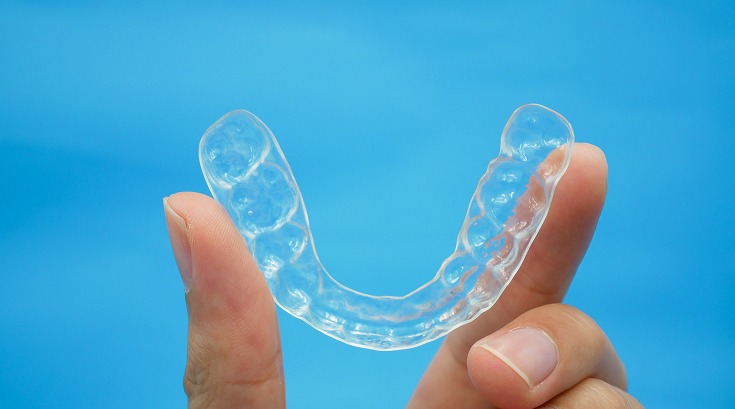
If you participate in contact sports, wearing an appropriate mouthguard can also provide additional protection for your teeth.
If you grind or clench your teeth, talk with your dentist. Your dental team can evaluate the situation and discuss whether protective treatment may be appropriate.
Take Dental Changes Seriously
A small change in your mouth can sometimes provide an early warning that something needs attention.
You may notice a new spot on a tooth, increased sensitivity when drinking something cold, discomfort when chewing, or a change in your gums.
Instead of trying to determine the cause yourself, make a note of the symptom and discuss it with your dentist.
Early evaluation can help determine whether the change is harmless or requires treatment.
Children and Adults Can Both Benefit From Preventive Care
Preventive dental care is important at different stages of life.
Children benefit from learning good brushing and flossing habits early. Regular dental visits can also help parents and dental professionals monitor developing teeth and identify concerns as they arise.
Adults should continue preventive care even when their teeth feel healthy. Dental needs can change over time, and regular examinations allow your dental team to monitor those changes.
Families looking for a dental clinic may find it convenient to have ongoing dental care available for multiple members of the household.
What Happens When a Problem Is Found?
Preventive dental care does not guarantee that you will never develop a cavity, gum problem, or other dental concern.
The goal is to identify problems as early as possible and determine what care may be appropriate.
Depending on the issue, your dentist may recommend monitoring the area, improving your home-care routine, scheduling treatment, or returning for additional evaluation.
Your dental team can explain the concern and discuss the available next steps before treatment begins.
Make Preventive Care Part of Your Routine
Good oral health is easier to maintain when dental care becomes part of your regular routine rather than something you only think about when a problem appears.
Brush and floss consistently, pay attention to changes in your teeth and gums, make thoughtful food and drink choices, and maintain regular professional dental visits.
If you are looking for dentists in Rancho Cucamonga, choosing a dental office that can provide ongoing preventive care can help you stay on top of your oral health.
Frequently Asked Questions
How often should I have a dental checkup?
The appropriate schedule depends on your individual oral health and your dentist’s recommendations. Regular visits allow your dental team to monitor your teeth and gums and address concerns as they develop.
Is brushing twice a day enough to prevent dental problems?
Brushing twice a day is an important part of oral hygiene, but it should be combined with cleaning between your teeth, regular dental visits, professional cleanings, and other preventive habits.
Why is flossing important?
Flossing helps clean areas between the teeth that a toothbrush may not reach effectively. Regular cleaning between your teeth can help reduce plaque buildup in these areas.
Should I visit a dentist if my teeth do not hurt?
Yes. Some dental problems may not cause noticeable symptoms during their early stages. Routine dental examinations can help identify concerns before they become more difficult to manage.
What should I do if my gums bleed?
Occasional bleeding can have different causes, but persistent bleeding should be discussed with a dental professional. Your dentist can evaluate your gums and determine whether additional care is needed.
Where can I find dental care in Rancho Cucamonga?
Patients searching for a dentist Rancho Cucamonga CA can compare local dental clinics based on the services they provide, their approach to preventive care, appointment options, and their ability to support ongoing dental needs.
Keep Your Smile on Track
Preventive dental care starts at home but does not end there. Consistent daily hygiene, regular professional cleanings, dental examinations, and attention to changes in your mouth can all contribute to maintaining your oral health.
Rather than waiting until a dental problem becomes uncomfortable, make preventive care part of your routine. If you are looking for a Rancho Cucamonga Dentist, a consultation can help you understand your current oral health and determine what ongoing care may be appropriate.