Most of us glance at our teeth in the mirror every morning, but how often do we really look at our gums? Your gingiva, the soft tissue that surrounds and supports your teeth, can tell you a great deal about your overall oral health. Changes in color, texture, or firmness are rarely random, and noticing white gingiva or other unusual shifts early can help you catch a problem before it becomes serious.
In this guide, we will walk through what normal gums actually look like, what different gum color changes may indicate, and the everyday habits that support long-term gingival health. Whether you are simply curious or you have noticed something different about your smile lately, understanding these signs puts you in a better position to protect your teeth for years to come. If anything described here matches what you are seeing in your own mouth, our periodontal (gum) care team is here to help you get answers.
What Do Healthy Gums Actually Look Like?
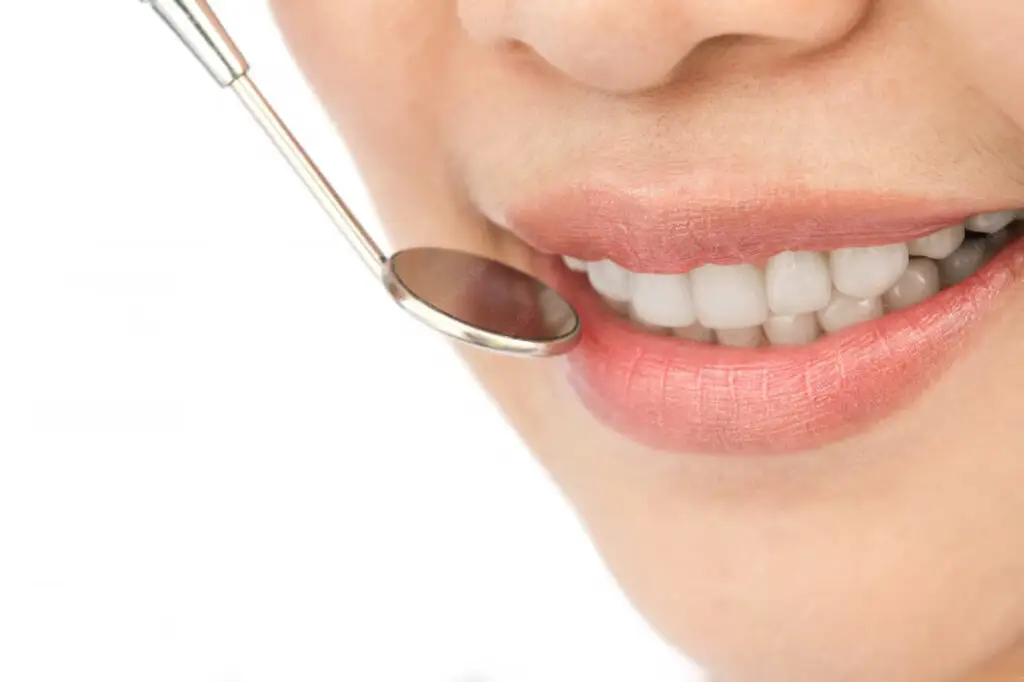
Healthy gum tissue has a fairly consistent appearance across most people, even though small variations exist depending on skin tone, genetics, and ethnicity. In general, normal gums are a coral or light pink shade, sit snugly against the base of each tooth, and have a slightly bumpy, orange-peel-like texture rather than a smooth, shiny surface. They should not bleed easily, feel tender to the touch, or pull away from the teeth. Recognizing this baseline is the first step in noticing when something has changed.
Because gum appearance can vary naturally from person to person, it is more useful to track changes over time than to compare your gums to someone else’s. A shift from your own normal baseline, whether it becomes paler, redder, swollen, or receded, is usually the clearest signal that something needs attention. Taking a quick look at your gum line every few weeks, perhaps while brushing, is an easy habit that helps you notice subtle shifts long before they become uncomfortable or visible to others.
Signs of healthy gums typically include:
A consistent pink or coral tone without patches of red, white, or purple
Firm texture that does not feel spongy or puffy when touched
Tight adaptation around each tooth with no visible gaps or pockets
No bleeding during normal brushing or flossing
Minimal to no sensitivity when eating or drinking
Understanding White Gingiva: Is It Normal or a Warning Sign?
White gingiva can be confusing because it sometimes reflects a harmless variation and other times signals an underlying issue that deserves attention. The color of your gum tissue depends on blood flow, pigmentation, and the thickness of the surface layer of cells, so a change to a paler or whitish shade usually means one of those factors has shifted. Distinguishing between a normal variation and a genuine concern often comes down to how the change appeared and whether other symptoms are present alongside it.
Physiologic (Normal) Causes
Some instances of pale or whitish gum tissue are simply part of a person’s natural pigmentation pattern or a temporary reaction to pressure, such as from a toothbrush or braces. These changes are usually painless, localized, and do not spread or worsen over time.
Potential Warning Signs
In other cases, white gingiva can point toward reduced blood flow, irritation from a chemical or physical source, or a mucosal condition that benefits from professional evaluation. If the paleness is accompanied by soreness, patches that will not rub off, or a texture that feels rough or leathery, it is worth having it examined during a routine dental exam rather than waiting to see if it resolves on its own.
Common Gum Color Changes and What They Might Mean
Gum color changes come in many forms, and each shade shift tends to point toward a different possible cause. Paying attention to exactly what you are seeing, along with any accompanying symptoms, can help your dentist narrow down what is happening more quickly.
Bright red gums often suggest active inflammation, commonly linked to plaque buildup and early gum disease.
Dark red or purplish gums can indicate more advanced inflammation or, in some cases, medication-related changes.
Pale pink or white gums may reflect reduced blood circulation, anemia, or localized irritation.
Yellowish gums are sometimes associated with pus formation, which points toward infection.
Gray or bluish gums can occasionally relate to certain systemic conditions or pigment changes and should always be evaluated.
Families managing oral health for children and adults alike benefit from knowing these patterns, since gum color can look different at various life stages. Our family dentistry team routinely checks for these changes as part of every visit, so nothing gets missed between appointments.
Signs of Healthy Gum Tissue Beyond Color
While color is one of the most visible indicators, healthy gum tissue involves more than just the right shade of pink. Texture, firmness, and how the tissue behaves during daily activities like eating and brushing all play a role in painting the full picture of your gingival health.
Texture and Firmness
Healthy gums have a slightly stippled surface, similar to an orange peel, rather than a glossy or smooth appearance. They should feel firm rather than soft or puffy, and they should not indent easily when gently pressed. Puffiness or a shiny, taut look across the gum line often signals fluid buildup from inflammation.
Behavior During Daily Care
Gums that bleed during brushing or flossing, even occasionally, are not something to dismiss as normal. Consistent bleeding is one of the earliest and most reliable indicators that inflammation has already begun, well before any visible color change appears.
Additional markers of healthy gum tissue include:
No persistent bad breath despite good oral hygiene habits
No visible recession exposing the roots of the teeth
Comfortable chewing without soreness or sensitivity
Gums that stay a stable color and texture over weeks and months
What Causes Changes in Gingival Health?
Numerous factors can influence gingival health, ranging from everyday habits to underlying medical conditions. Understanding these contributors makes it easier to identify what might be driving a change you have noticed in your own mouth.
Common contributors include:
Plaque and tartar buildup, which irritates the gum line and leads to inflammation
Smoking or tobacco use, which can mask redness and lead to a pale or leathery gum appearance
Nutritional deficiencies, particularly low iron or vitamin B12 levels, which can affect gum color
Hormonal shifts, such as those during pregnancy or puberty, which often increase gum sensitivity
Certain medications, which may cause dryness, overgrowth, or discoloration of gum tissue
Systemic health conditions, including some blood disorders that affect circulation to the gums
Because so many of these factors overlap with general health, maintaining consistent preventive dental care makes it easier to catch changes early and address the root cause rather than just the symptom.
When to See a Dentist About White Gingiva or Gum Discoloration
Not every color change requires an emergency visit, but certain signs should never be ignored. Waiting too long to address gum tissue changes can allow an underlying issue to progress further, so it is always better to have things checked sooner rather than later.
You should schedule a visit if you notice:
White or pale patches that persist for more than two weeks
Sores or rough areas that do not heal
Pain, burning, or a persistent metallic taste
Bleeding that happens with little or no provocation
Gums that appear to be pulling away from the teeth
A dental professional can examine the tissue closely, ask about your health history, and determine whether the change is harmless or requires further evaluation. If you have noticed any of these signs, do not hesitate to reach out to our team directly so we can take a closer look and put your mind at ease.
How to Maintain Healthy, Normal Gums at Home
Protecting your gingival health does not require a complicated routine. Small, consistent habits make the biggest difference over time and help you maintain the pink, firm appearance associated with normal gums.
Brush twice daily with a soft-bristled toothbrush, angling the bristles gently along the gum line
Floss once a day to remove plaque from between teeth where a brush cannot reach
Avoid tobacco products, which are strongly linked to gum discoloration and disease
Eat a balanced diet rich in vitamin C and iron to support tissue repair and circulation
Stay hydrated, since dry mouth can contribute to irritation and color changes
Keep up with routine dental visits so small changes are caught before they become bigger problems
Consistency matters more than intensity here. A gentle, steady routine practiced daily will do far more for your gum health than occasional aggressive brushing or flossing sessions. It also helps to replace your toothbrush every three months, use an antimicrobial rinse if recommended by your dentist, and pay attention to how your mouth feels, not just how it looks, since discomfort can appear before any visible change does.
Conclusion
Your gums offer a constant, visible window into your overall oral health, and learning to recognize what normal gums look like puts you in a much stronger position to catch problems early. From color and texture to how your tissue responds during daily brushing and flossing, small details often carry meaningful information. White gingiva, along with other gum color changes, is not something to panic over, but it is also not something to ignore, especially when it lingers or comes with other symptoms.
If you have noticed any changes in your gum tissue or simply want a professional opinion on your gingival health, the team at Prime Smile Dental is ready to help. Reach out to schedule an evaluation, and let our experienced team give you clear answers and a personalized path toward healthier, happier gums.
Frequently Asked Questions
1. Is white gingiva always a sign of a serious problem?
Not necessarily. Some people naturally have areas of lighter pigmentation, and temporary paleness can result from minor irritation or pressure. However, if the white patches persist, feel rough, or come with pain, it is worth having a dentist take a look to rule out anything more significant.
2. Can stress affect the color or health of my gums?
Yes, stress can indirectly affect gum health by weakening the immune response and encouraging habits like teeth grinding or neglecting oral hygiene. Over time, this can contribute to inflammation, sensitivity, and visible changes in gum tissue. Managing stress alongside good oral care habits supports healthier gums overall.
3. How long does it take for gum color to return to normal after treatment?
This varies depending on the underlying cause and how quickly it is addressed. Mild inflammation from plaque buildup can often improve within one to two weeks of improved hygiene, while more involved conditions may take longer and require professional treatment to fully resolve.
4. Do gum color changes always come with pain?
No, many gum color changes develop gradually and painlessly, which is exactly why they are so easy to overlook. This is one of the main reasons routine dental checkups are so valuable, since a dentist can spot subtle changes long before discomfort develops.
5. Are gum color changes more common with age?
Gum tissue can become thinner and more prone to recession as people age, which may make underlying blood vessels more visible and alter the overall appearance. Regular dental visits become increasingly important with age to monitor these gradual shifts.
6. Can whitening products cause white gingiva?
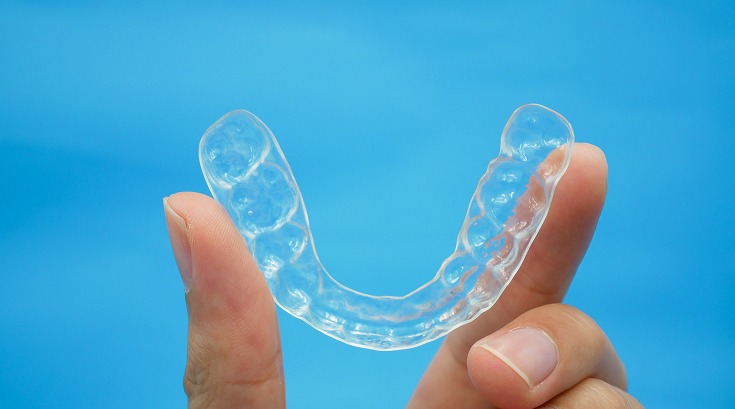
Yes, certain whitening gels or trays that fit poorly can irritate the gum line and cause temporary white or pale patches. This typically resolves once the irritation source is removed, but a dentist should confirm this is the cause rather than something else.